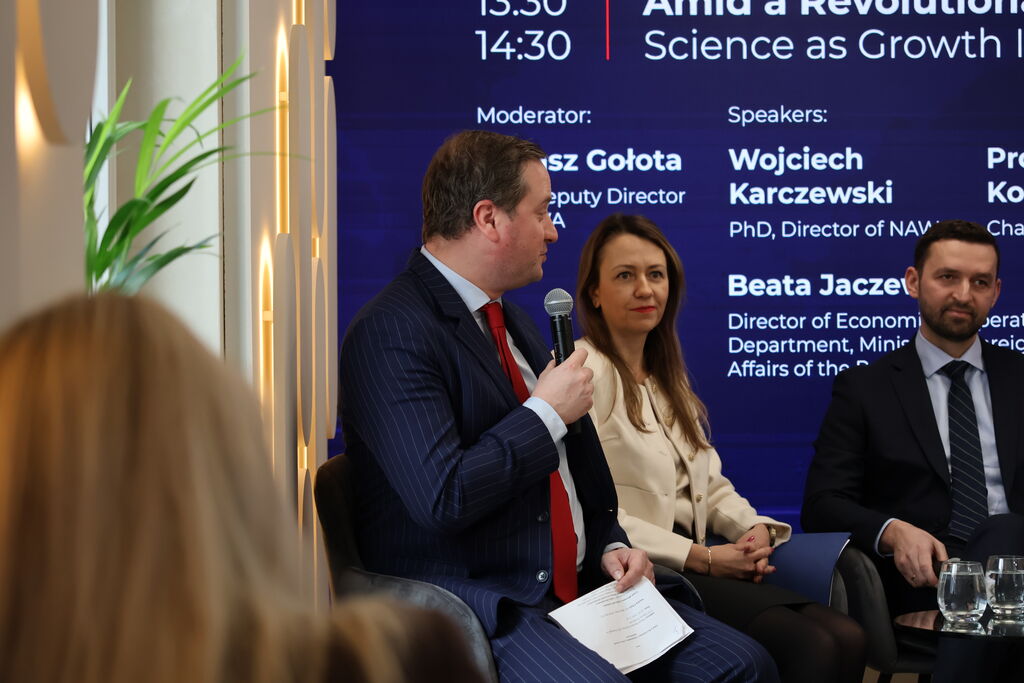
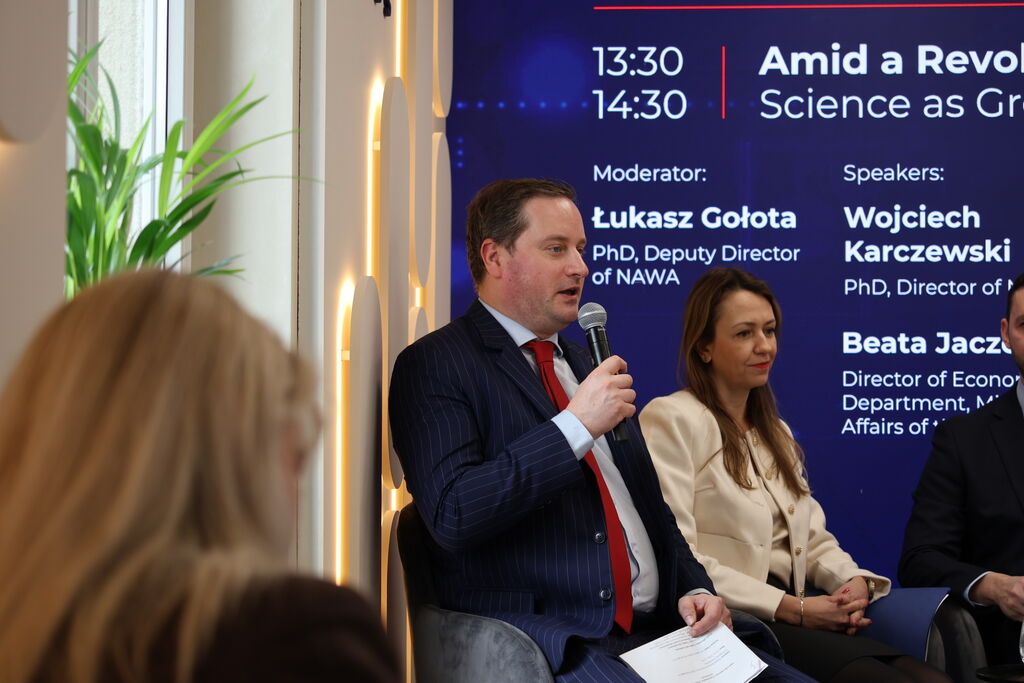
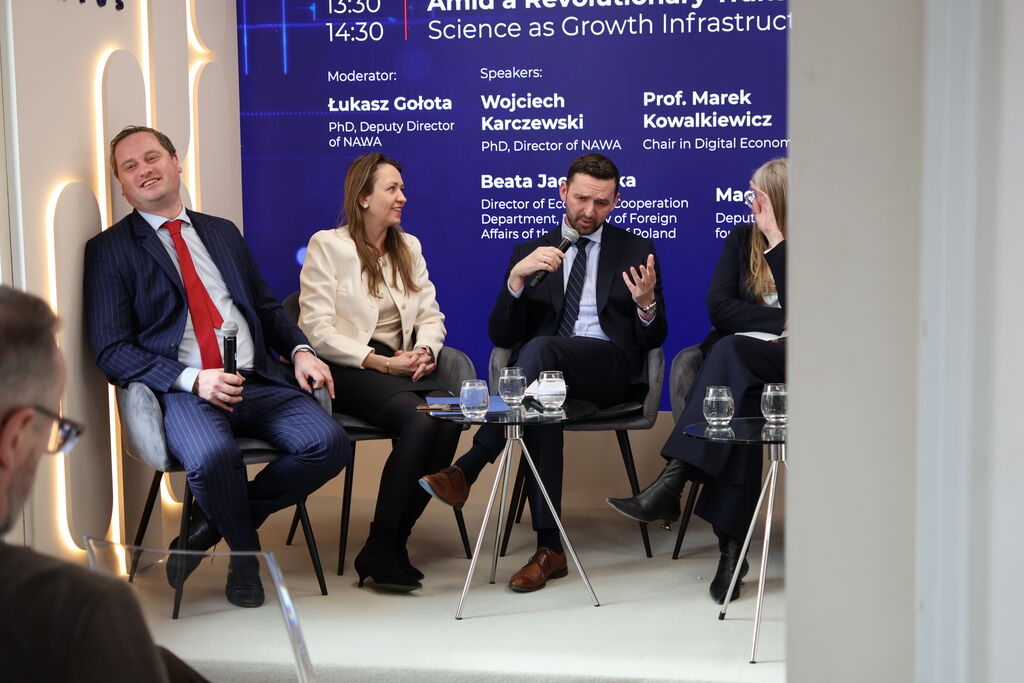
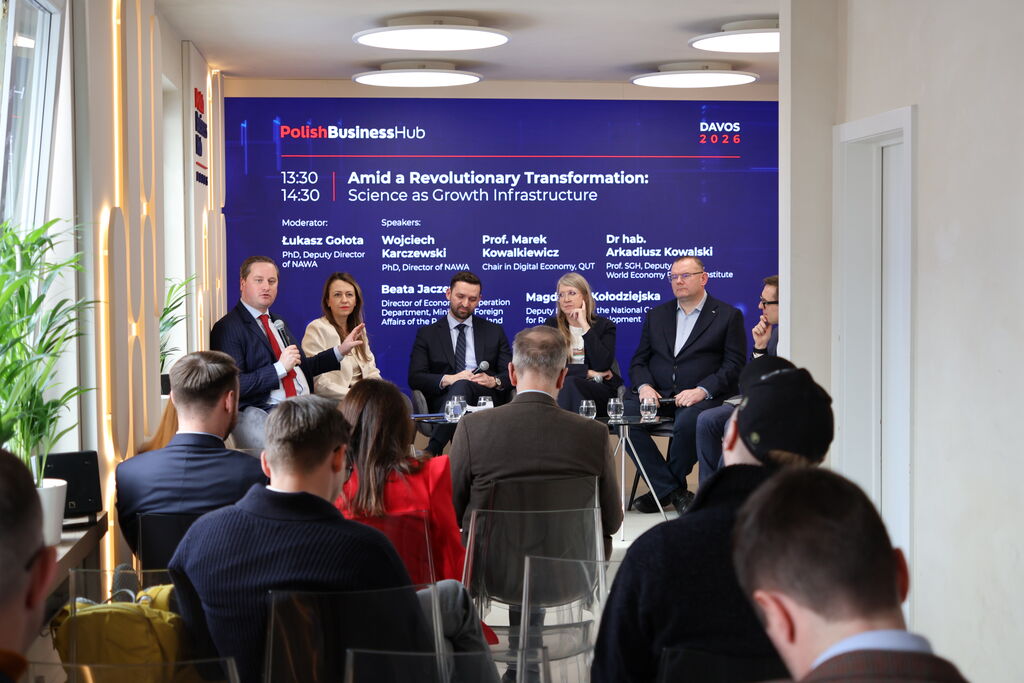
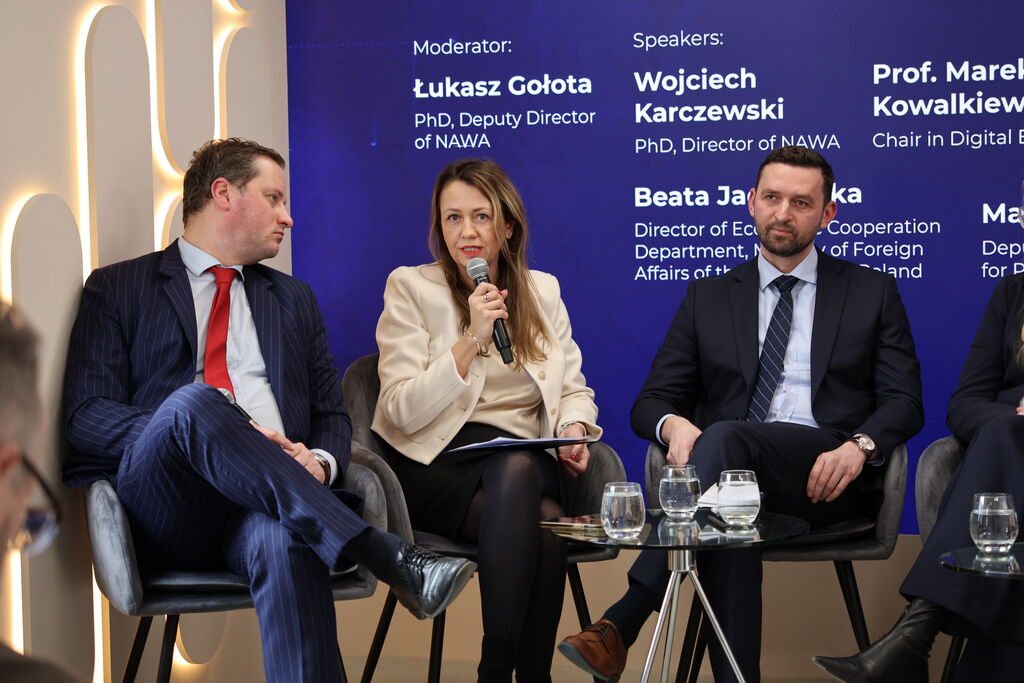
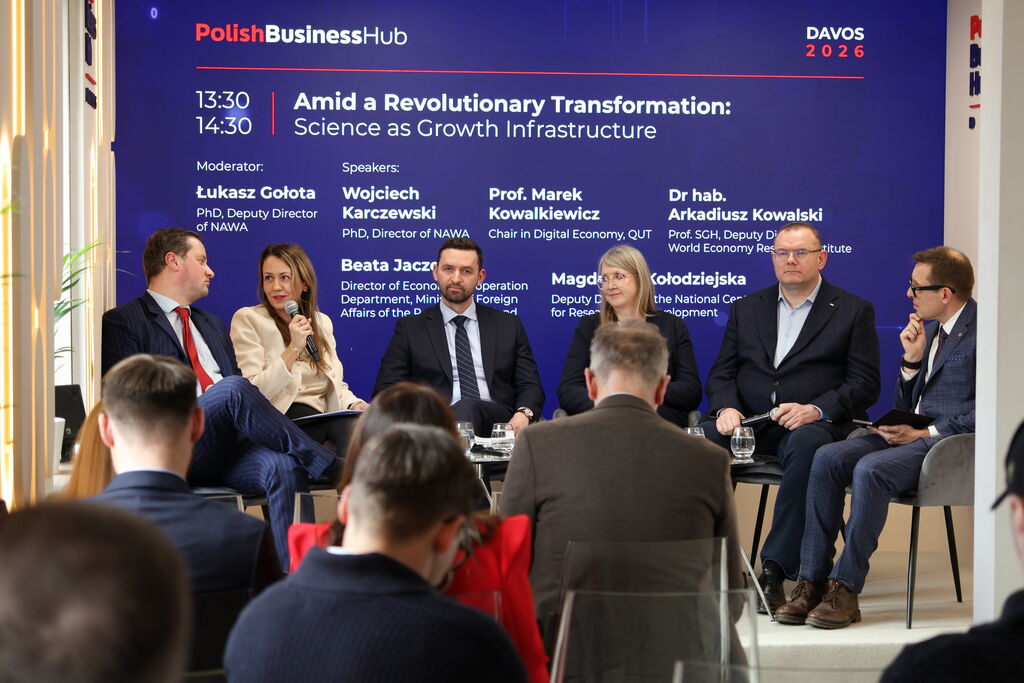
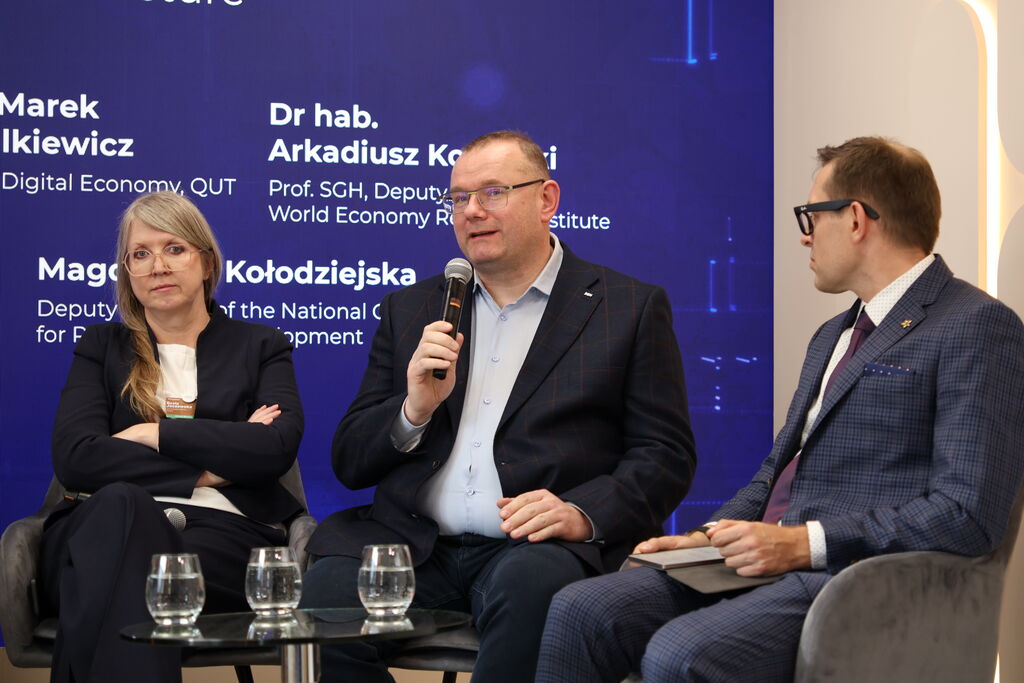
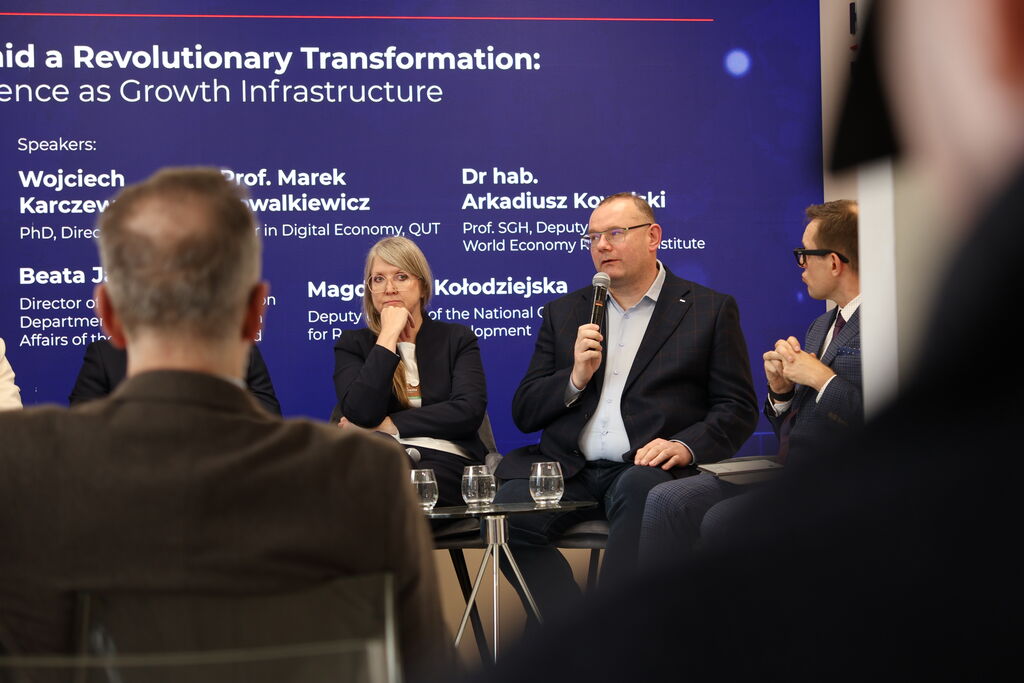
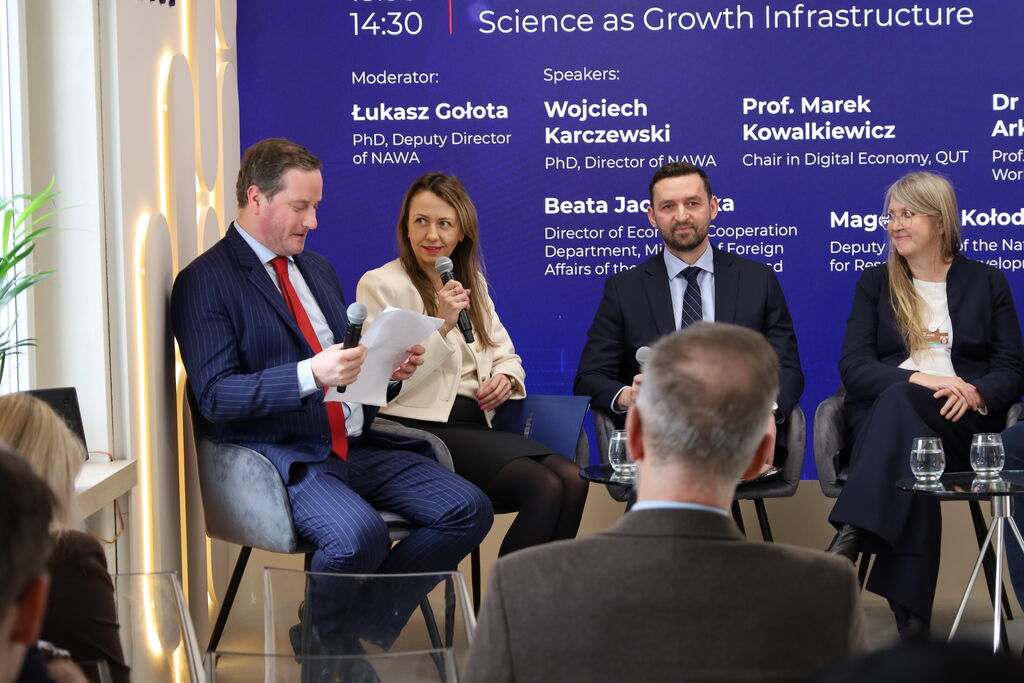
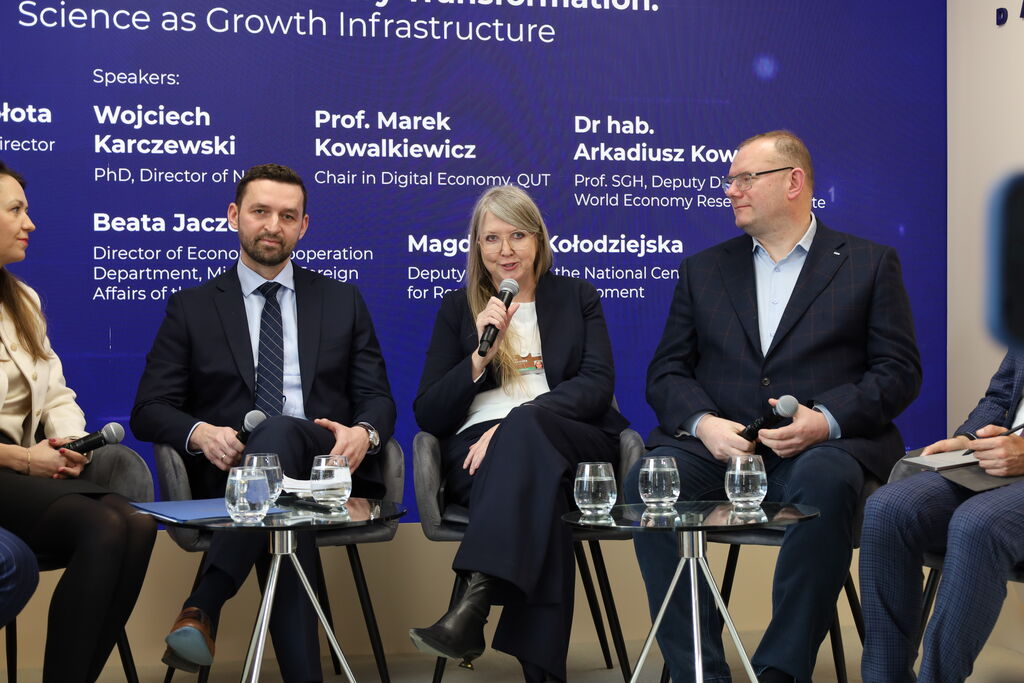
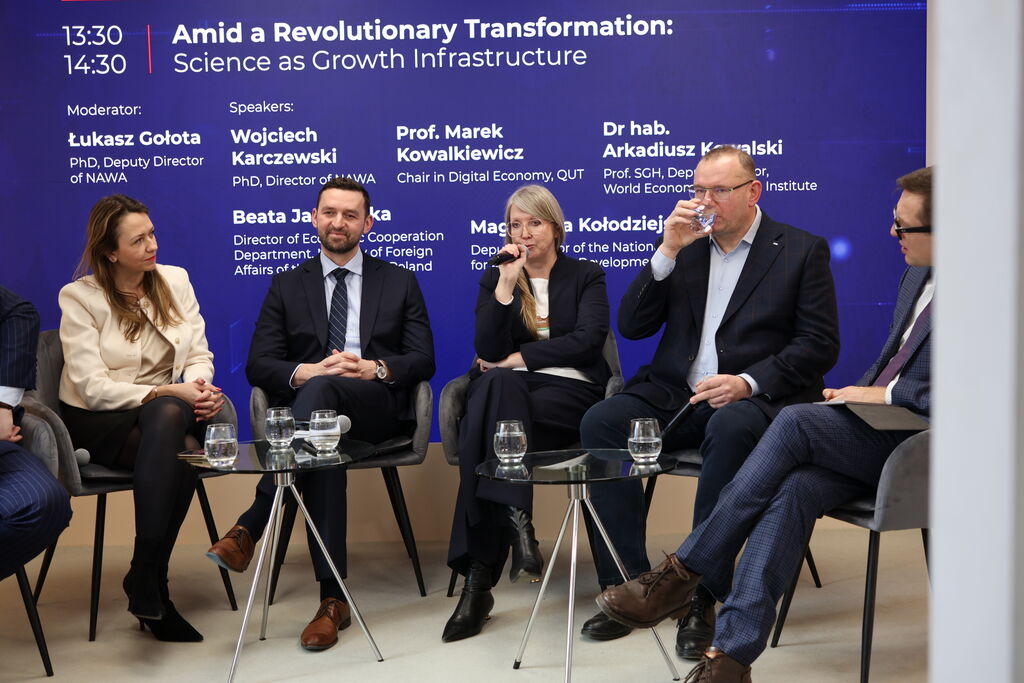
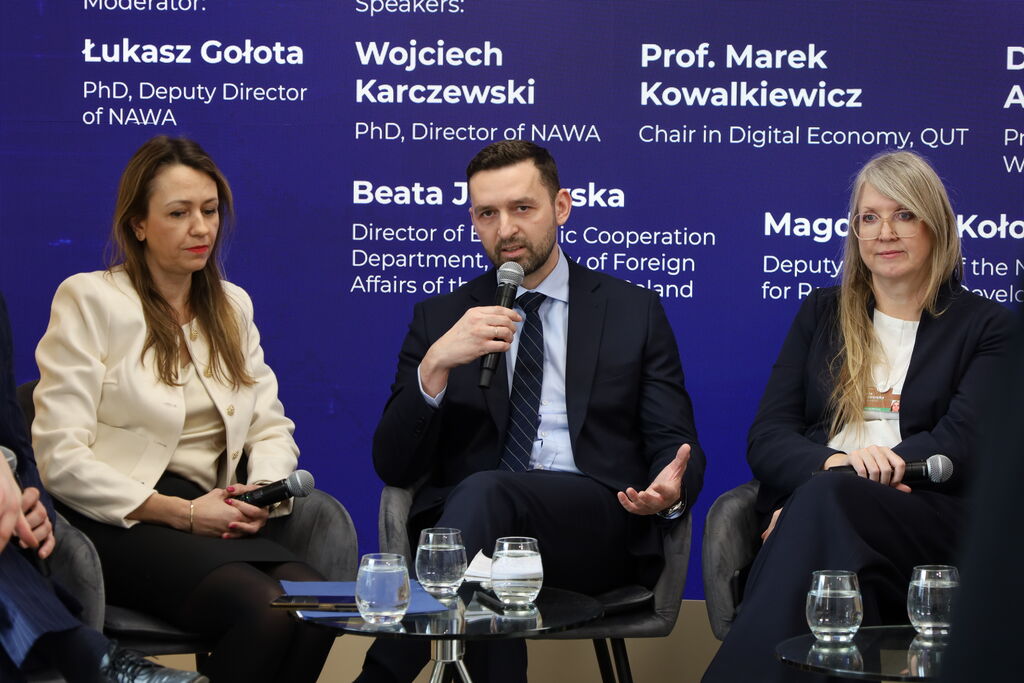
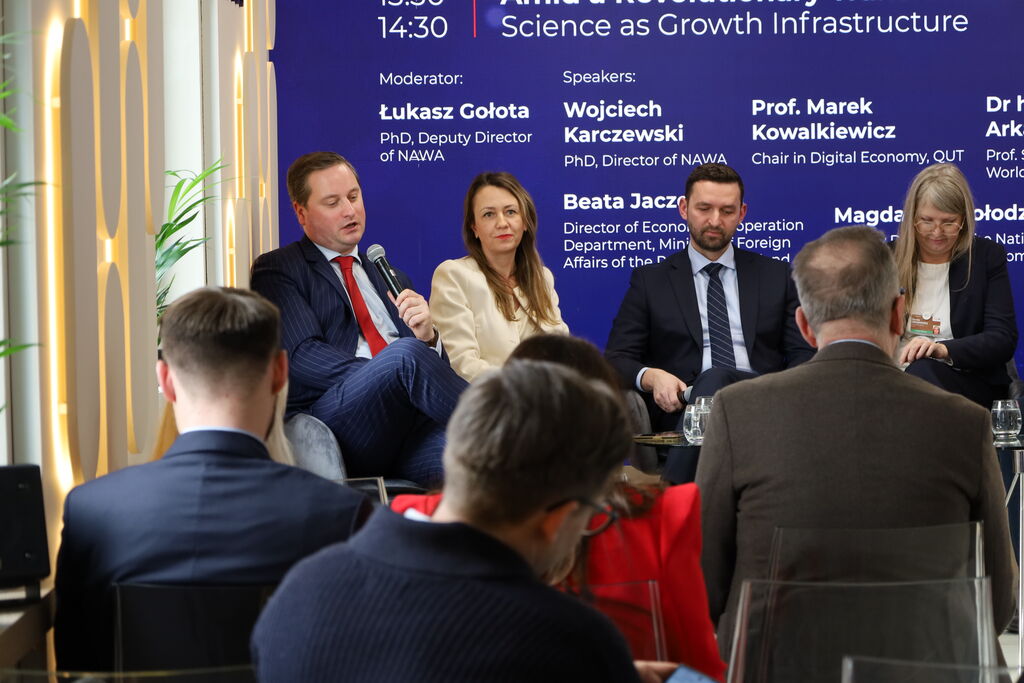
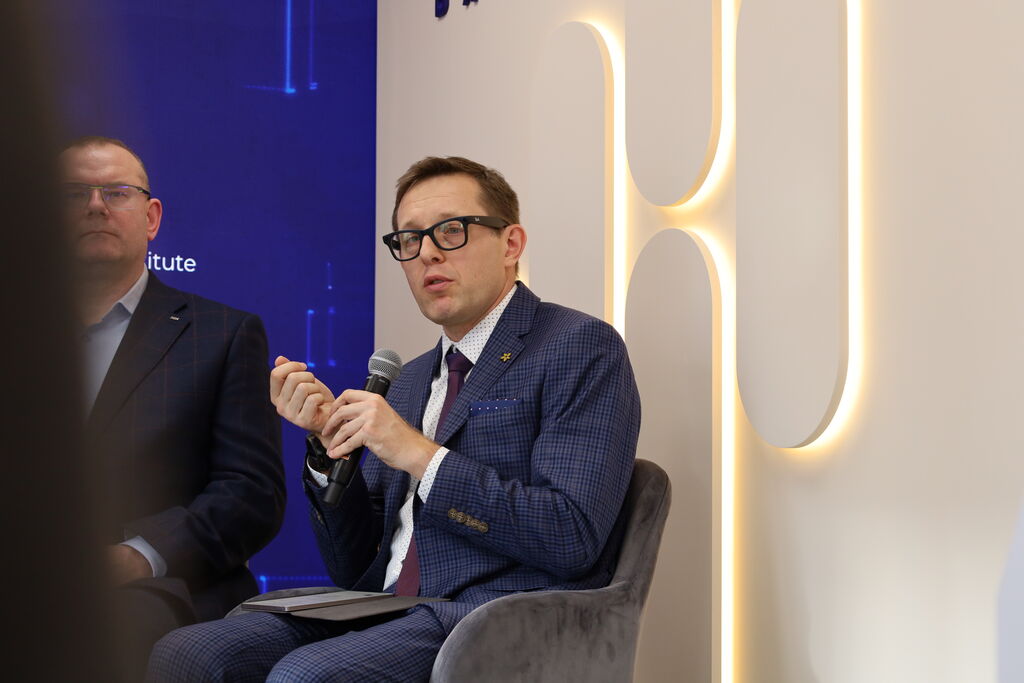
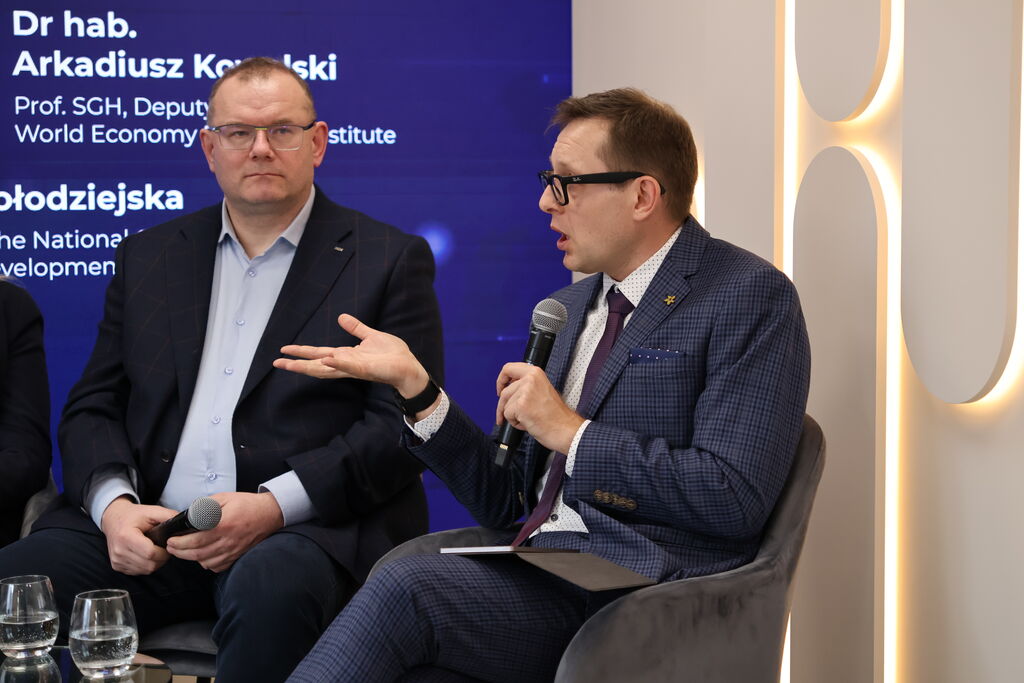
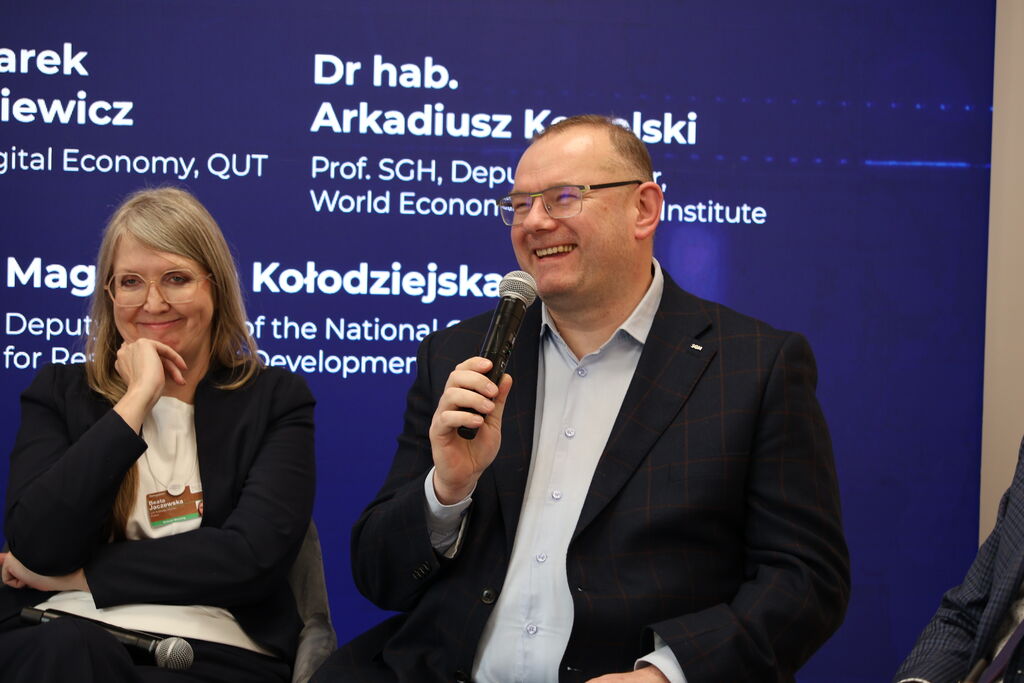
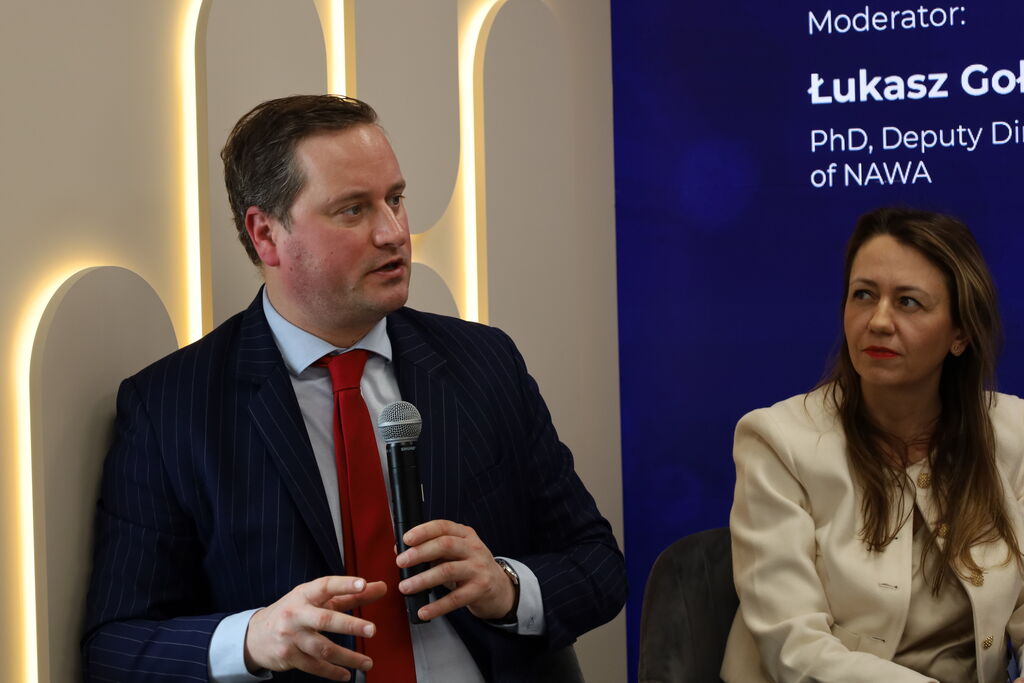
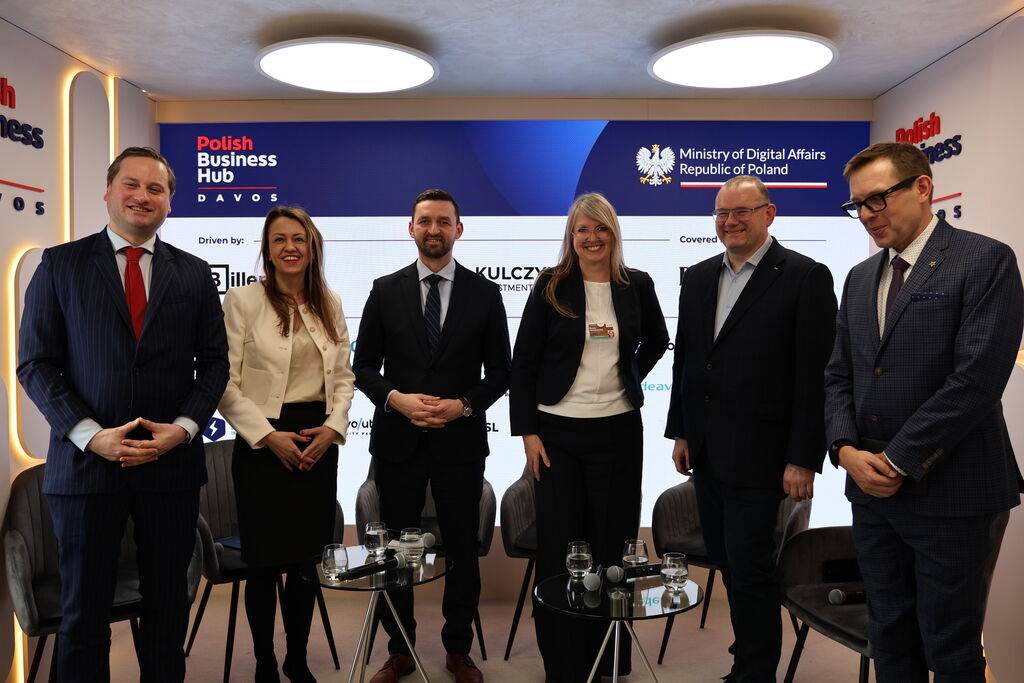
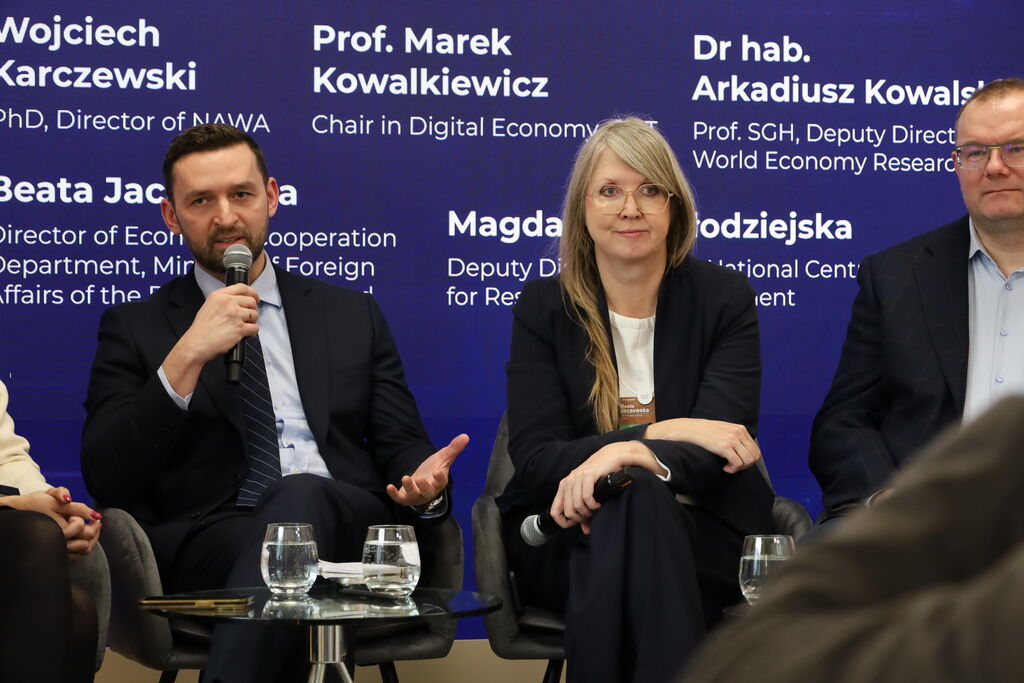
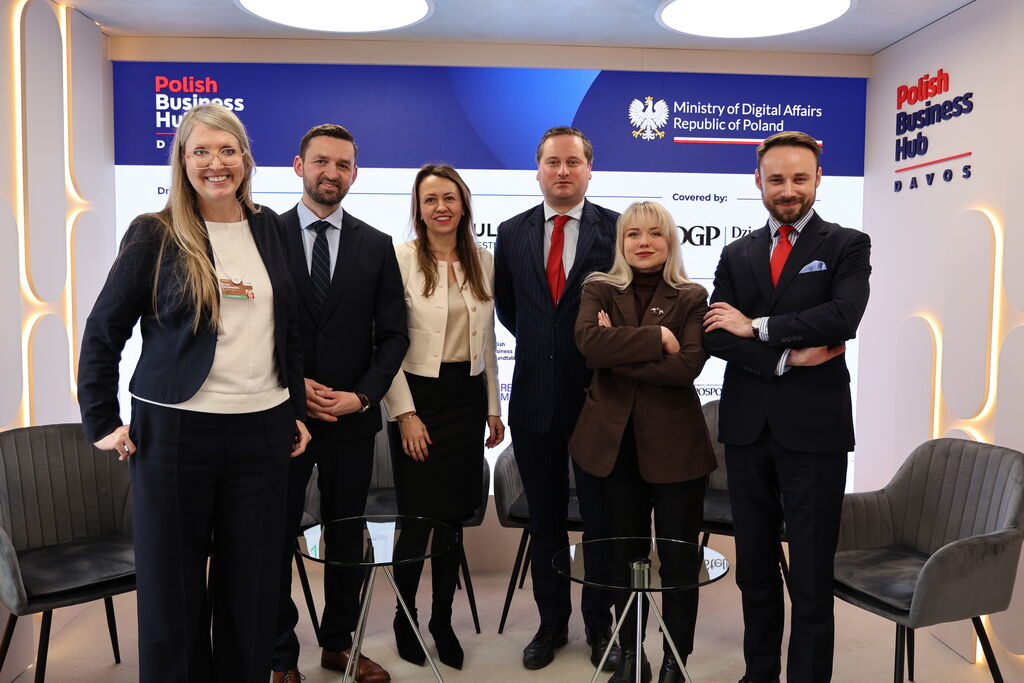
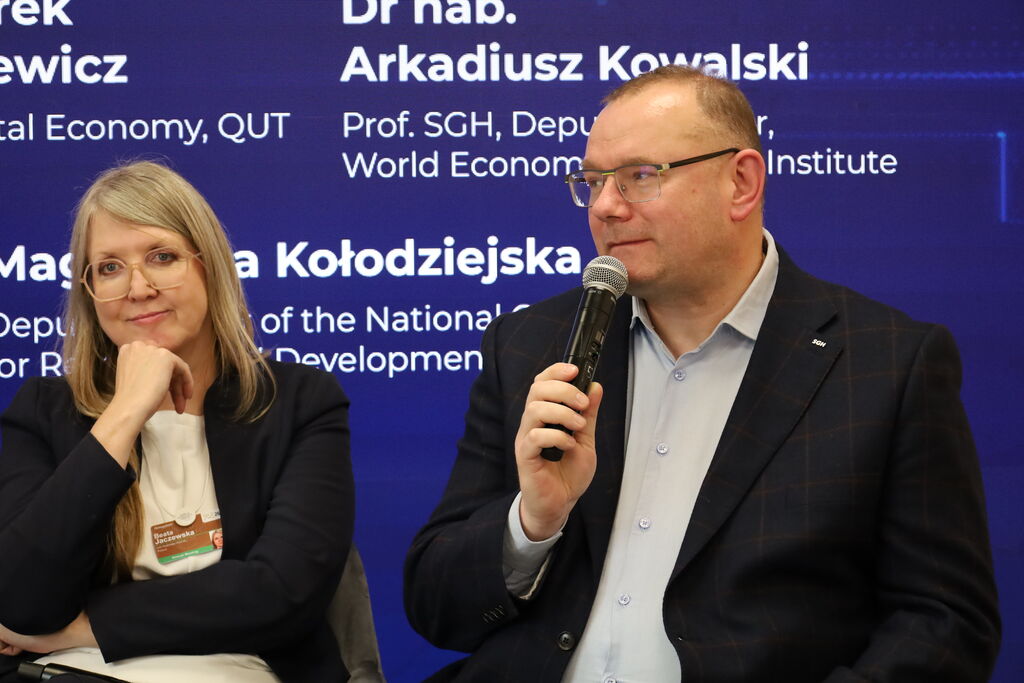
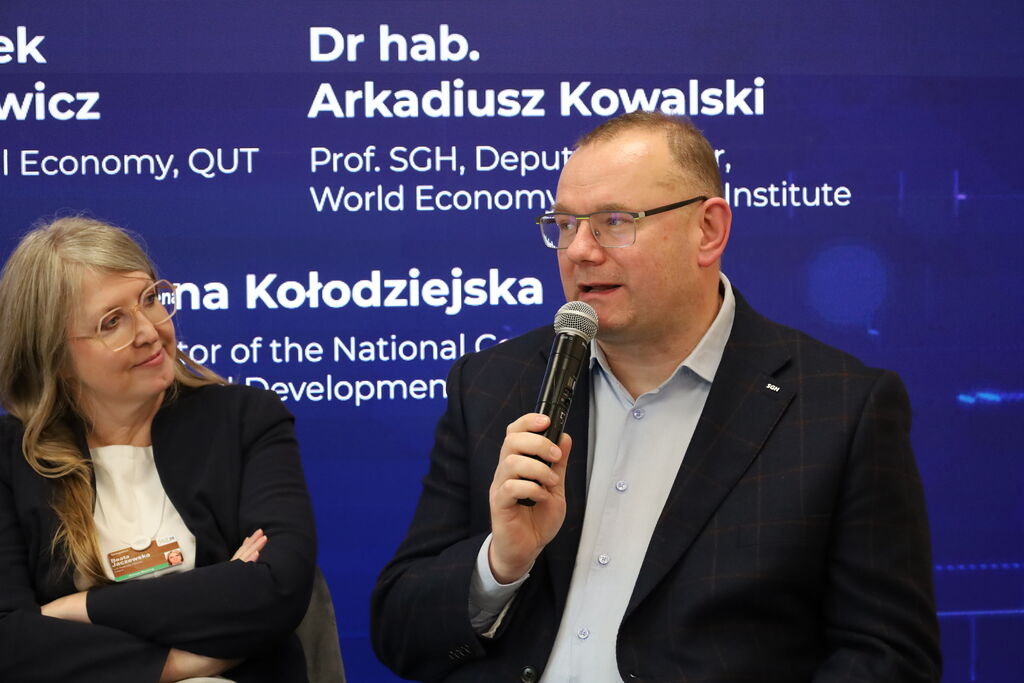
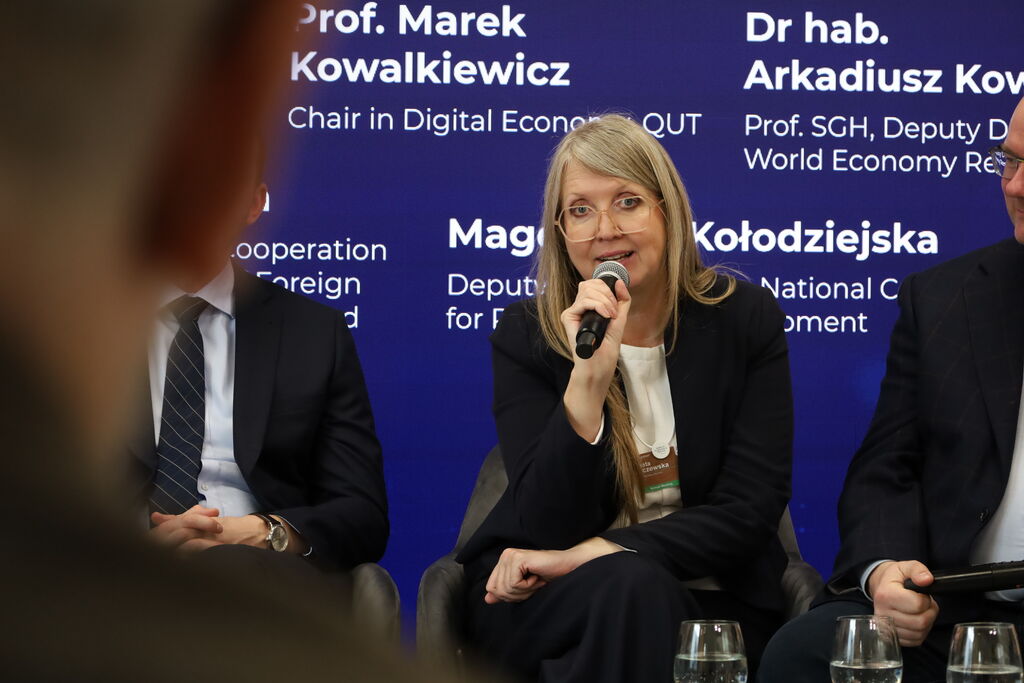
During a panel held at the Polish Business Hub in Davos, experts representing science, public administration and the innovation sector emphasized that in today’s rapidly changing technological and geopolitical environment, science, the economy and public policy must operate together to build long-term competitiveness and resilience.
The discussion was moderated by Łukasz Gołota, PhD, Deputy Director of the Polish National Agency for Academic Exchange (NAWA). Panel participants included:
- Wojciech Karczewski, PhD – Director of NAWA,
- Magdalena Kołodziejska – Deputy Director of the National Centre for Research and Development,
- Beata Jaczewska – Director of the Department of Economic Cooperation at the Ministry of Foreign Affairs of the Republic of Poland,
- Prof. Arkadiusz Kowalski, PhD – Deputy Director of the World Economy Research Institute, SGH Warsaw School of Economics,
- Prof. Marek Kowalkiewicz – Queensland University of Technology.
The panel opened with a reflection on the transformation of the global order. Speakers agreed that traditional development models are being redefined and that science should no longer be viewed as a cost, but as a core infrastructure for economic growth.
A key theme of the discussion was the internationalisation of science, understood not as an end in itself, but as an ongoing process that must be aligned with national development policies. Participants stressed that the mobility of researchers and students directly affects productivity and innovation — where talent flows, innovation and economic growth follow.
International researchers and students contribute know-how, global cooperation networks and experience gained in diverse academic and economic systems. As a result, science can act as an early warning system for the economy, while internationally connected research ecosystems strengthen national resilience to crises.
Another important topic was cooperation between science and business. Panelists noted that accelerating innovation requires consortium-based approaches and closer links between research excellence and market needs. Strategic public investment was highlighted as crucial in key technology areas, including health and biotechnology, deep tech, cybersecurity, clean transition and defence.
Artificial intelligence was discussed as both a major opportunity and a source of systemic risk. Speakers underlined the need to redefine globalisation in a way that balances competitiveness with security, resilience and the protection of fundamental values, including academic freedom and freedom of research.
The panel concluded that Poland has tangible strengths in the global competition for talent, including a growing economy, an expanding innovation ecosystem and improving conditions for conducting research and implementing its results. Instruments supporting mobility, the return of outstanding researchers and long-term international partnerships play a key role in this process.
The shared conclusion was clear: investing in talent, internationalising science and ensuring effective knowledge transfer to the economy are no longer optional — they are essential. In the long term, science diplomacy and international cooperation contribute not only to innovation, but also to national security and societal well-being.