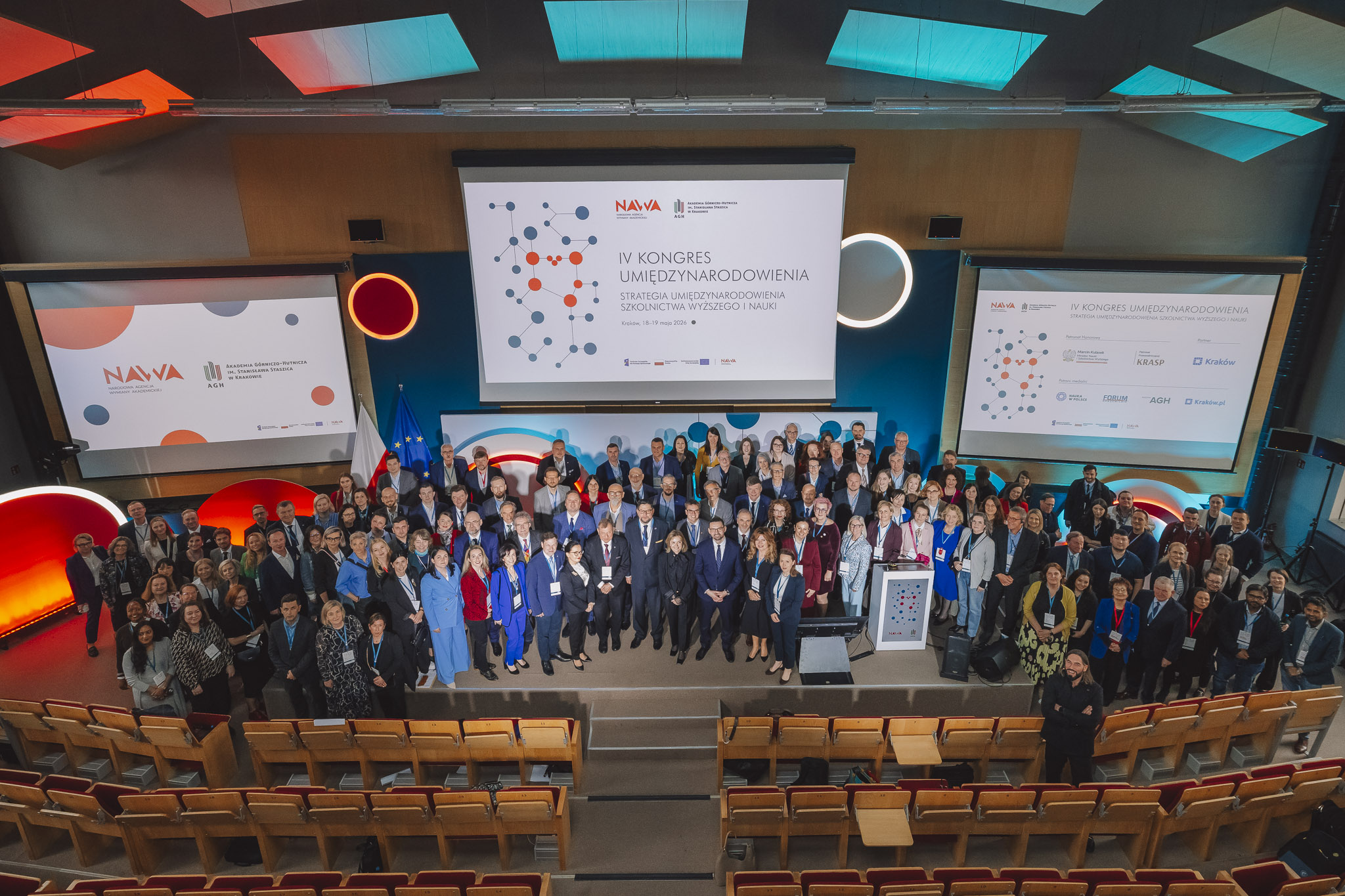
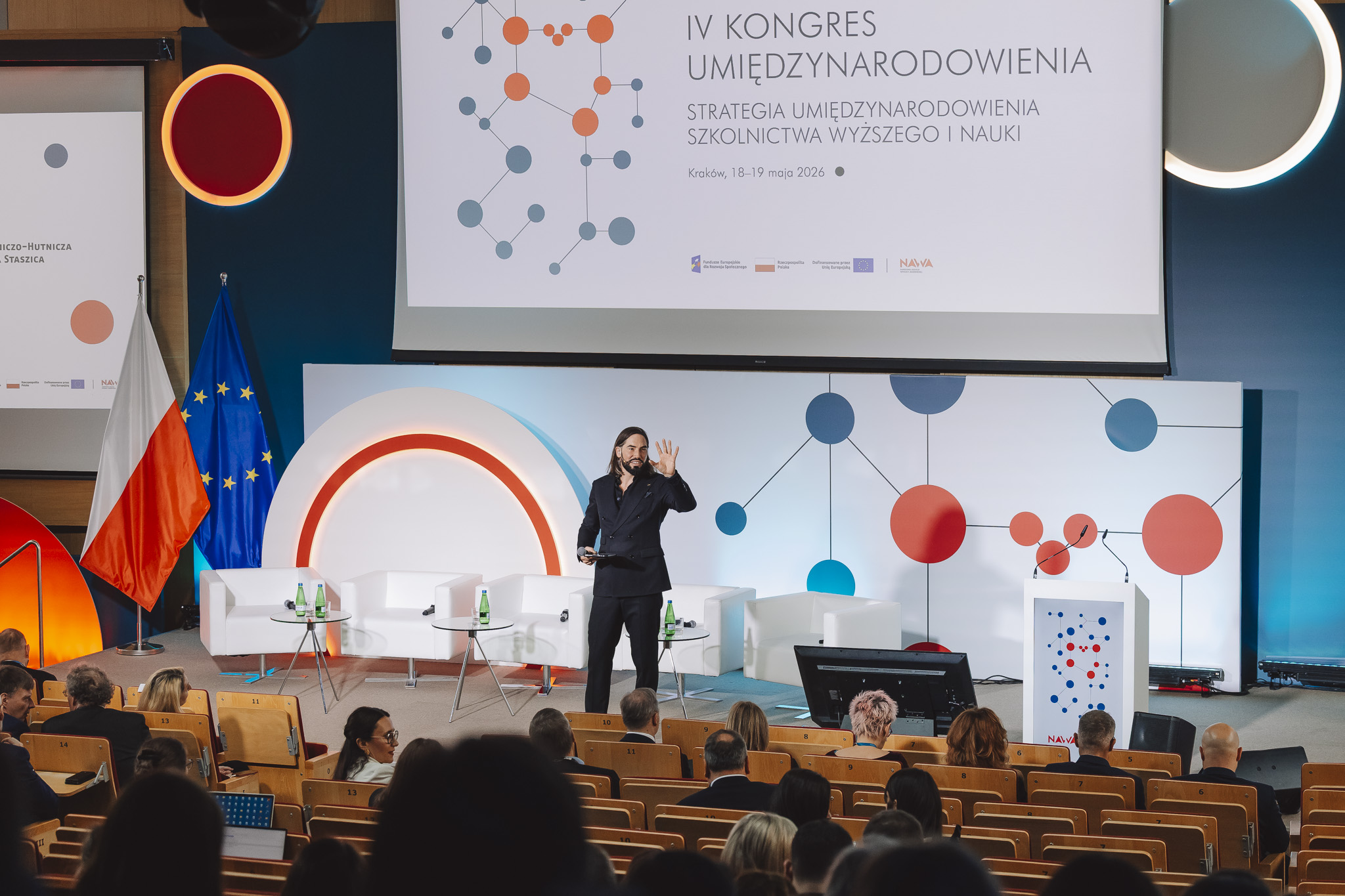
We have just wrapped up two intensive days of discussions on the future of Polish science and higher education in an international context. AGH University of Krakow brought together representatives of the academic community, public administration, science funding institutions, agencies, international partners, and experts involved in the development of international cooperation.
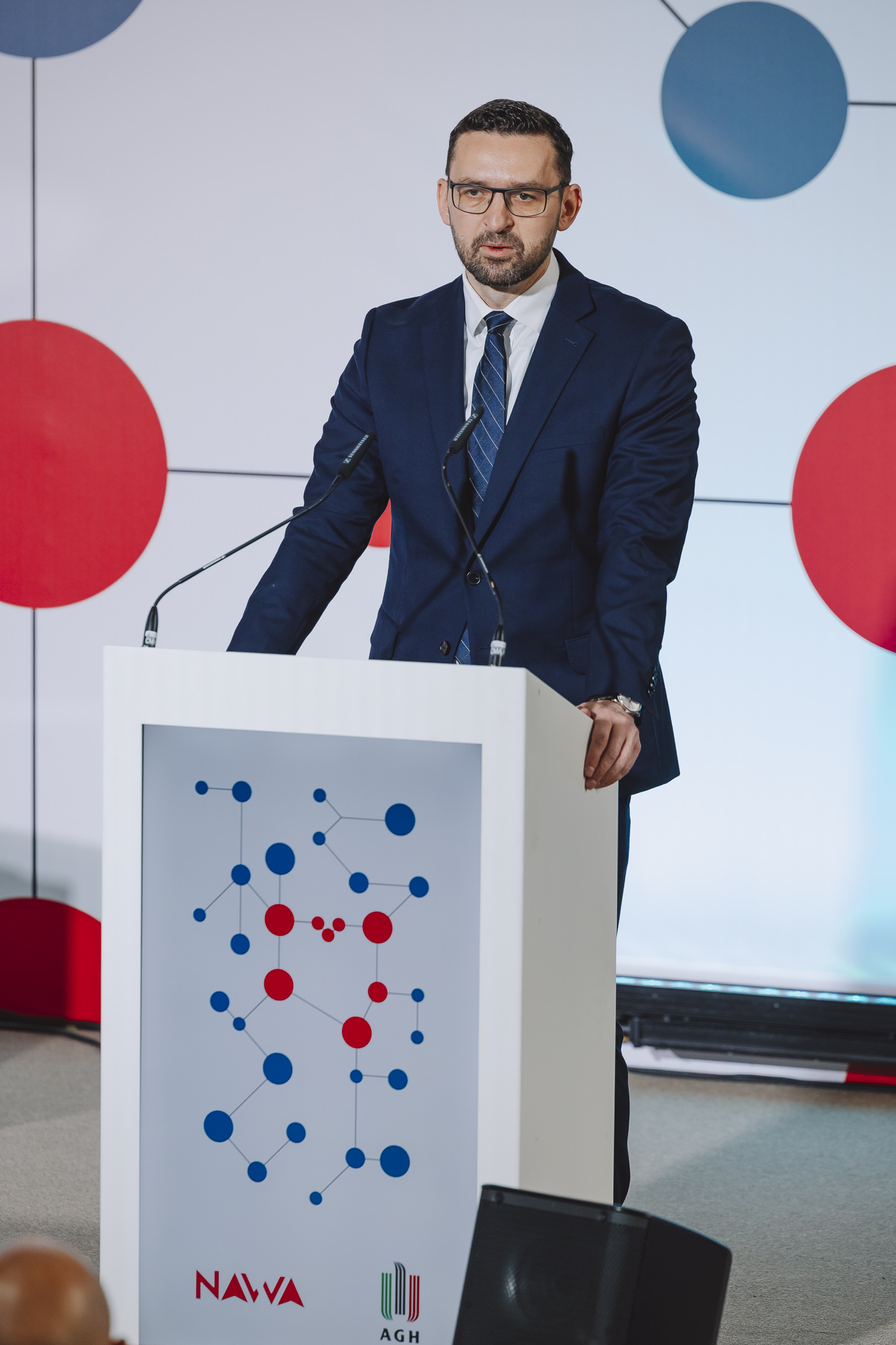
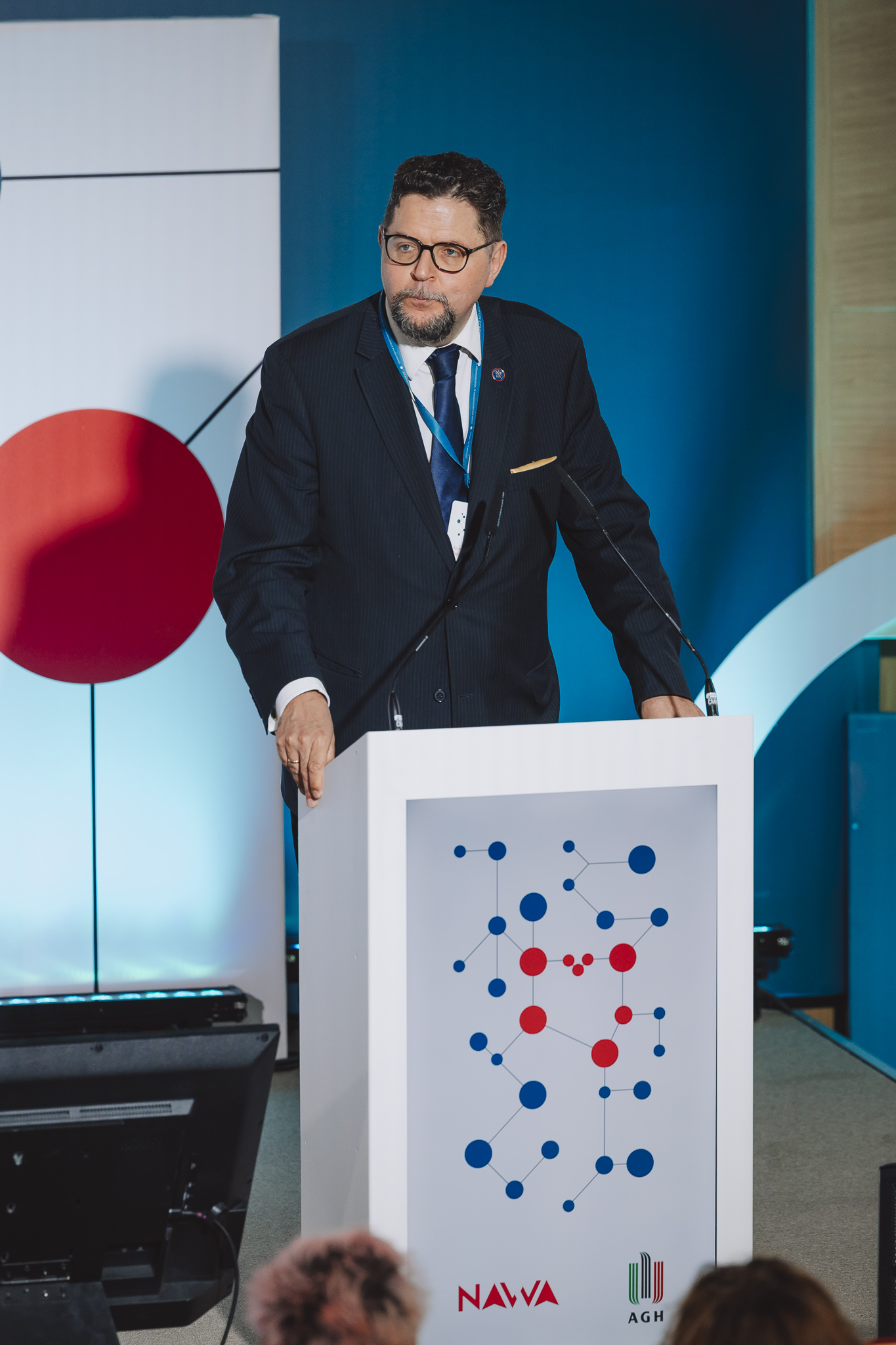
The key reference point for the discussions was the Strategy for the Sustainable Internationalisation of Science and Higher Education in Poland until 2035. Presented during the Congress by NAWA Director Dr Wojciech Karczewski, the document identifies the most important challenges and sets directions for the coming years: from strengthening research potential and building lasting partnerships, through academic mobility and competence development, to promoting Polish science and increasing the global visibility of Polish universities and institutions. A special address on the Strategy was delivered by Professor Andrzej Szeptycki, Undersecretary of State at the Ministry of Science and Higher Education.
During the Congress, we discussed the fact that internationalisation is no longer an add-on to academic activity. It is one of the conditions for the development of science, education, the economy, and society. The discussions strongly highlighted the quality of international cooperation, the coherence of public policies, the role of science diplomacy, research security, visa policy, retaining talent in Poland, and linking internationalisation with the real needs of the labour market.
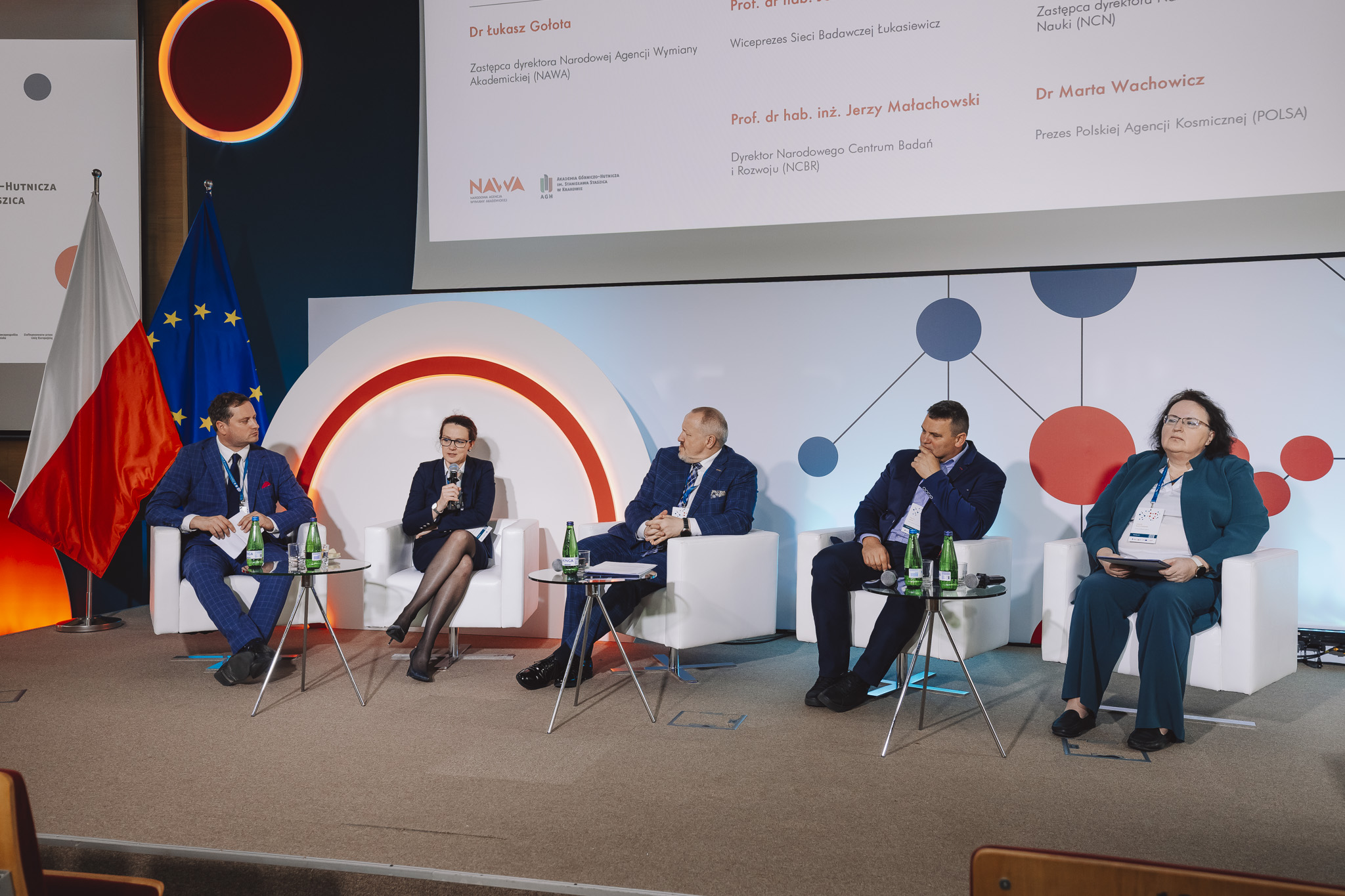
The first day of the Congress focused primarily on the Strategy and its place in the science and higher education system. The discussions addressed how to move from a strategic document to concrete actions, how to coordinate cooperation between institutions, and how to draw on the experience of other countries, including Estonia, France, and Austria. Another important topic was the economic dimension of internationalisation, particularly in the context of advanced technologies, the space sector, cooperation between science and industry, and Poland’s participation in international research networks.
The conversations also covered the new geopolitics and its consequences for higher education. Panellists drew attention to the importance of responsible partner selection, university autonomy, European cooperation networks, and new challenges related to security, defence, dual-use technologies, and changes in the global flow of knowledge. In this context, Poland can play an important role as a partner that understands the experience of Central and Eastern Europe and is able to translate it into the language of international academic debate.
The second day showed how broad and concrete today’s thinking about internationalisation has become. Parallel events were held on micro-analyses prepared by NAWA employees as a contribution to the work on the Strategy, as well as on good practices in the internationalisation of basic research. Participants discussed, among other things, that internationalisation should stem from the real needs of institutions and the scientific community, rather than from the mere trend of “being international”. Teamwork, effective administration, advisory boards, support for researchers, and recognition of the role of science managers are all essential.
The Congress also included discussions on security, academic freedom, and global challenges. Today, internationalisation requires a balance between openness and responsibility. This means building partnerships that strengthen the quality of research and education while taking into account the changing international situation, institutional security, and the public interest.
Another important topic was the role of internationalisation in local development. International cooperation does not stop at university borders. It translates into the development of cities, regions, institutions, research teams, and people. It strengthens the economic potential of local communities, opens up new opportunities for cooperation, and helps build academic environments capable of responding to the challenges of the future.
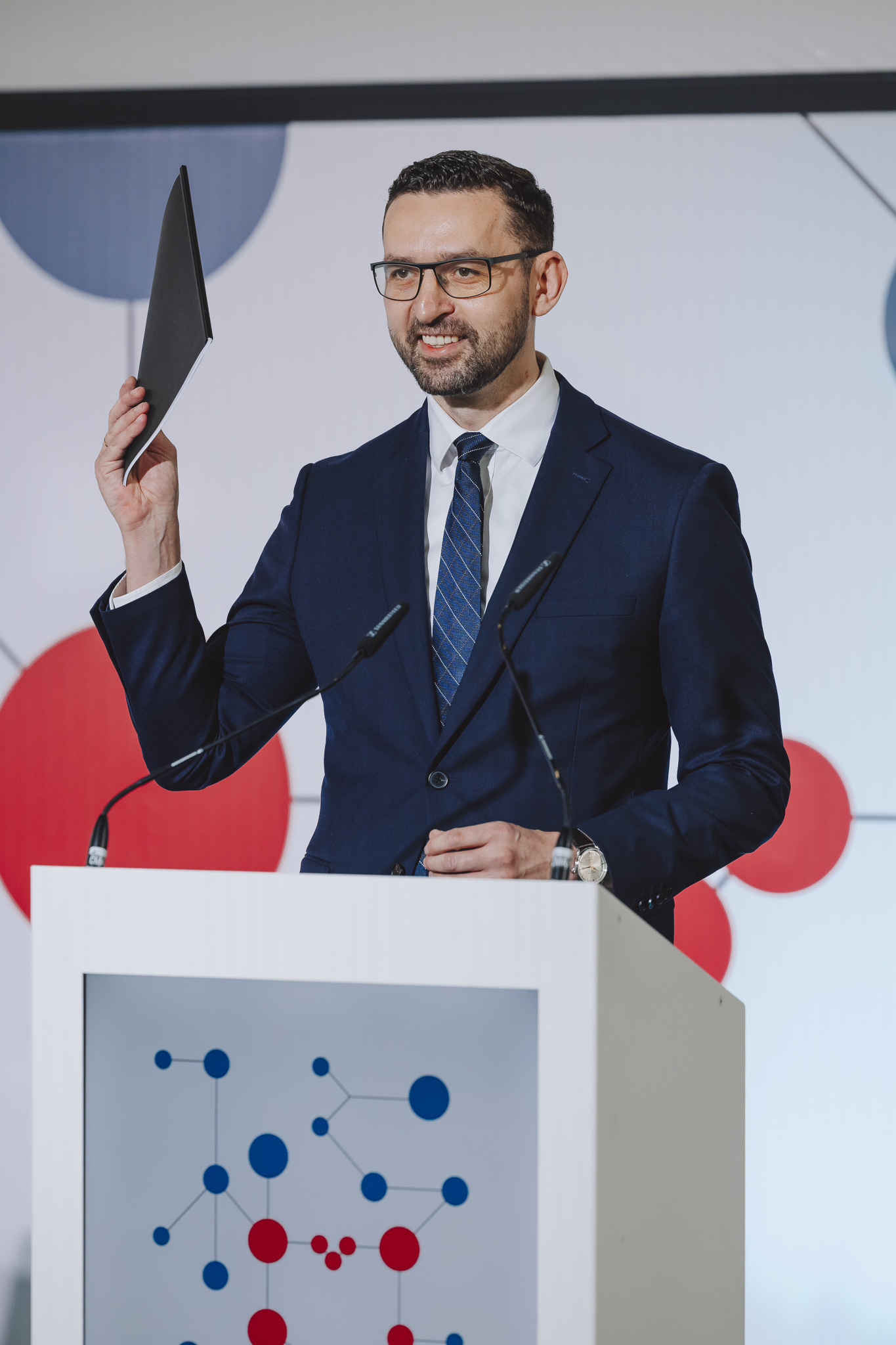
The Congress was closed by Dr Łukasz Gołota, Deputy Director of NAWA. It was a symbolic conclusion to two intensive days, but not the end of the conversation. Further work, new meetings, and joint actions lie ahead as part of the Strategy for the Sustainable Internationalisation of Science and Higher Education in Poland until 2035.