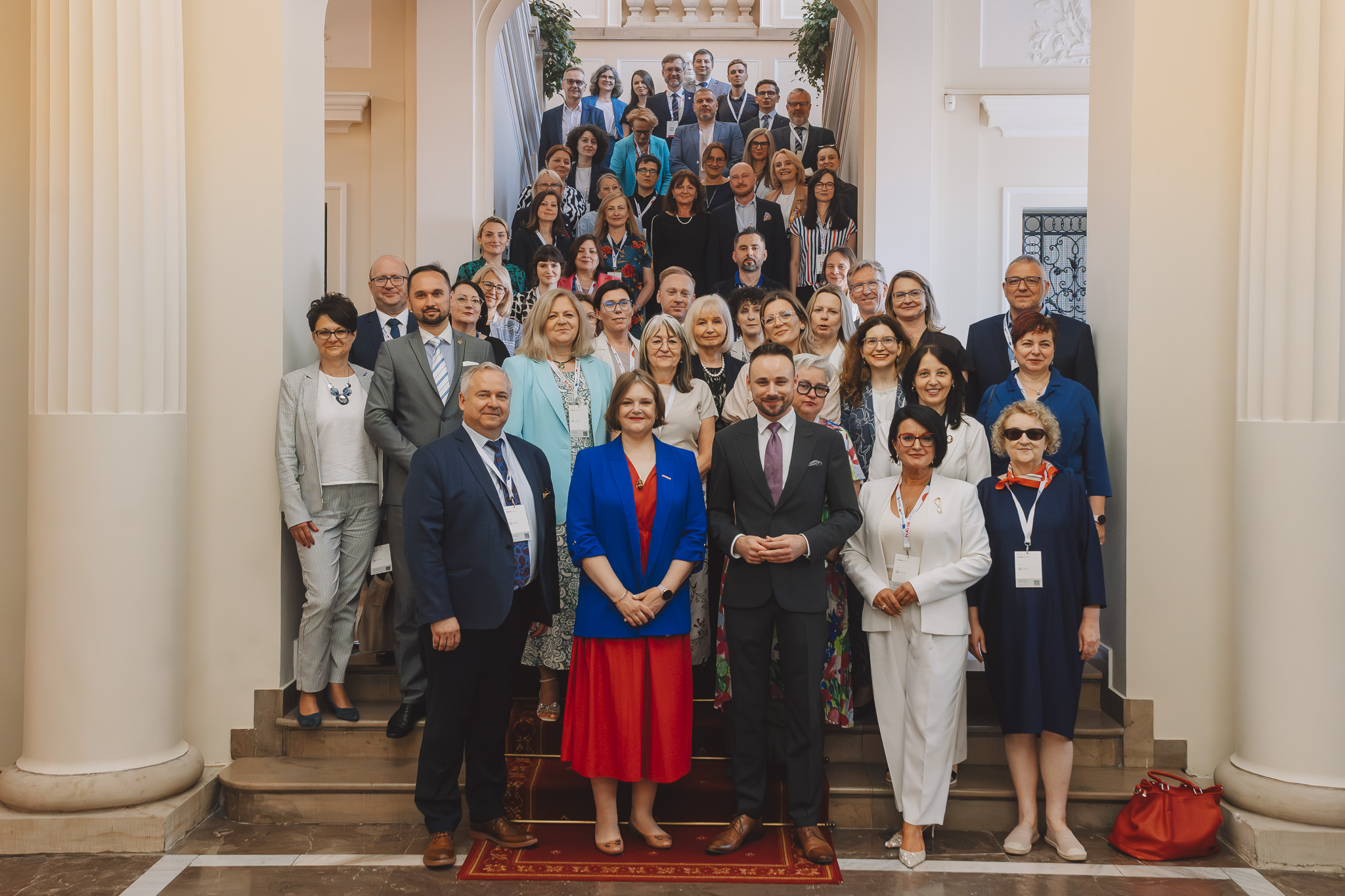
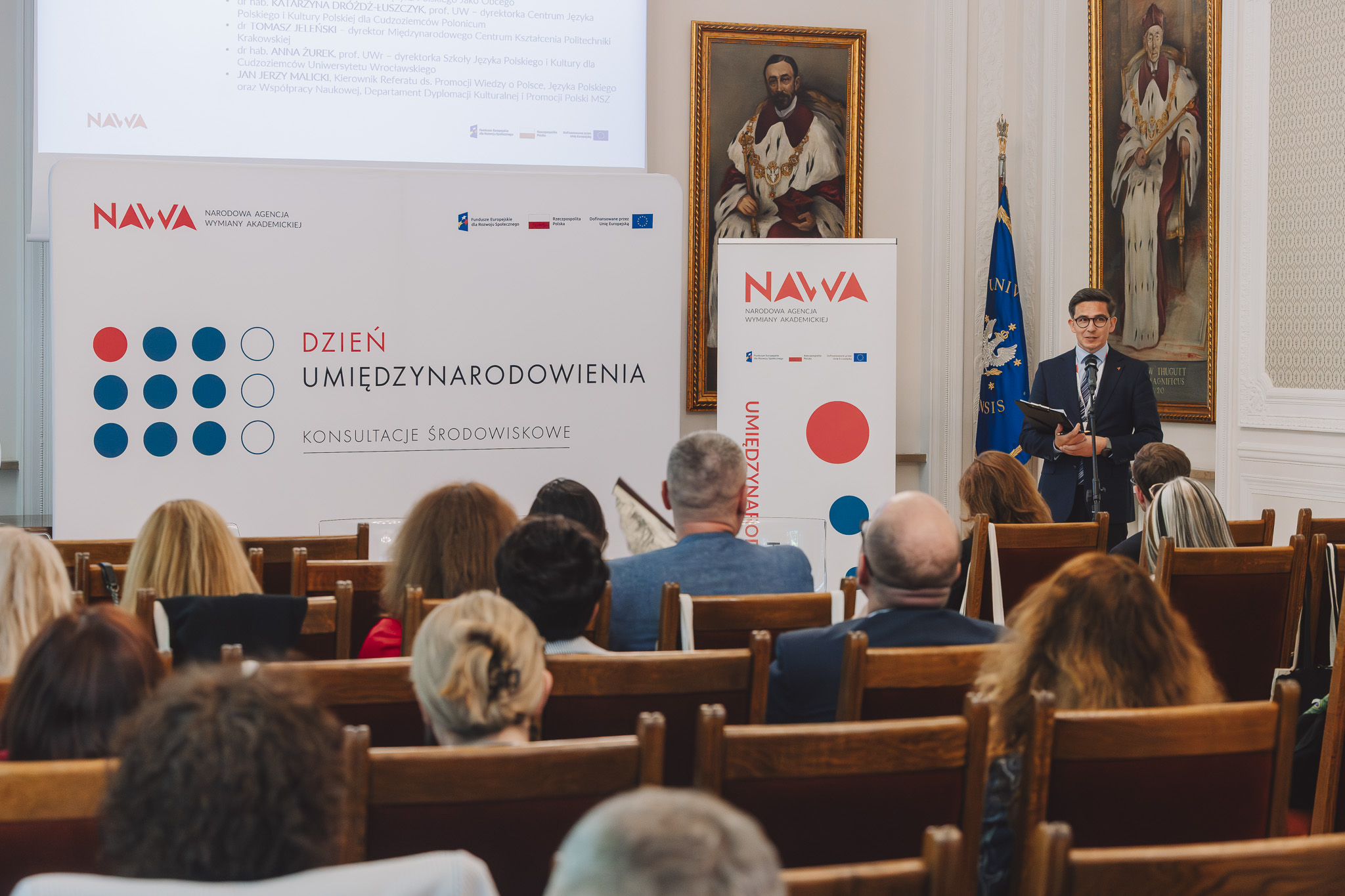
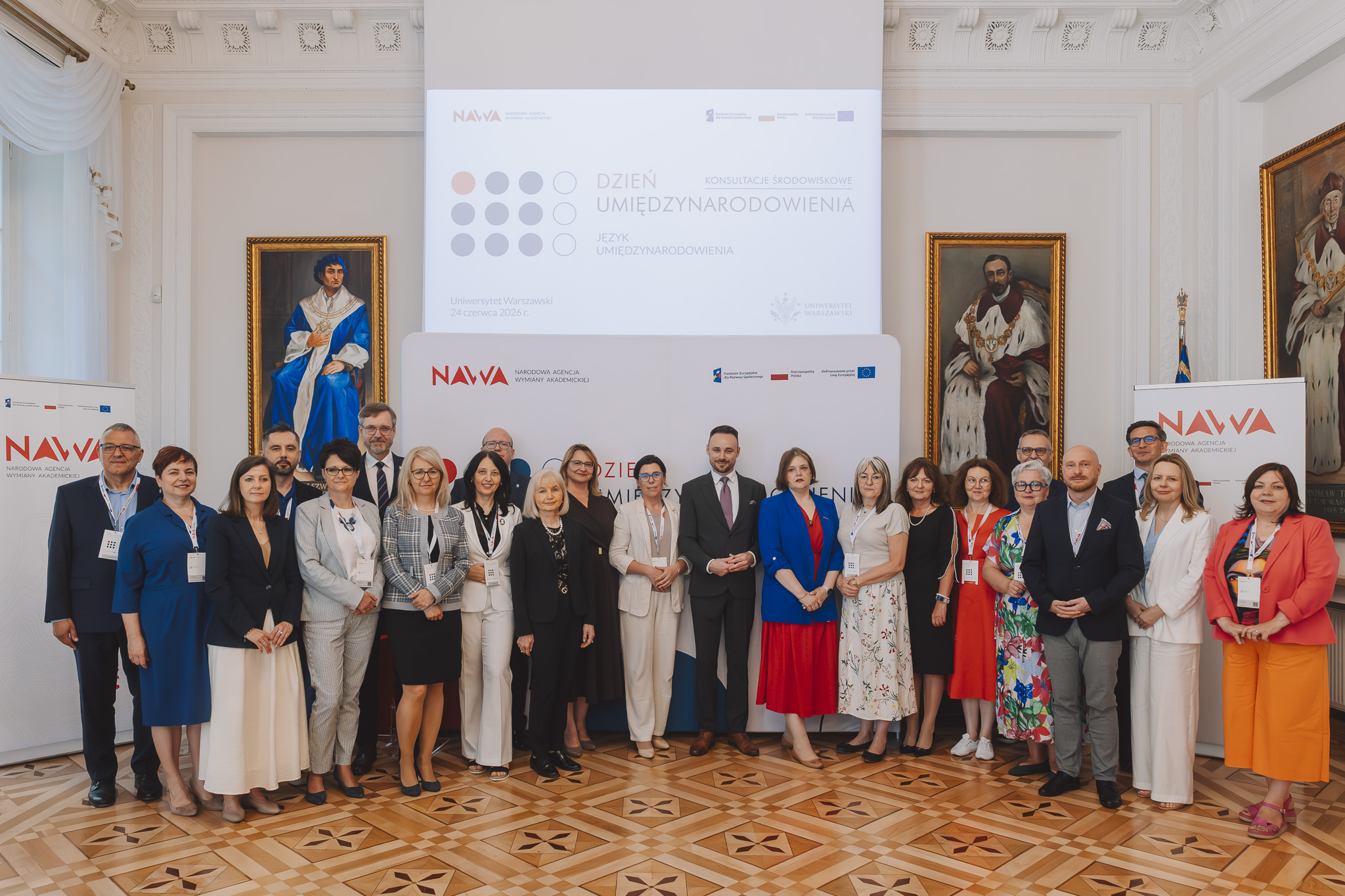
On 24 June 2026, Internationalisation Day was held in the Senate Hall of the University of Warsaw under the theme “The Language of Internationalisation”. The meeting was part of a series devoted to the strategy for the internationalisation of Polish higher education and science.
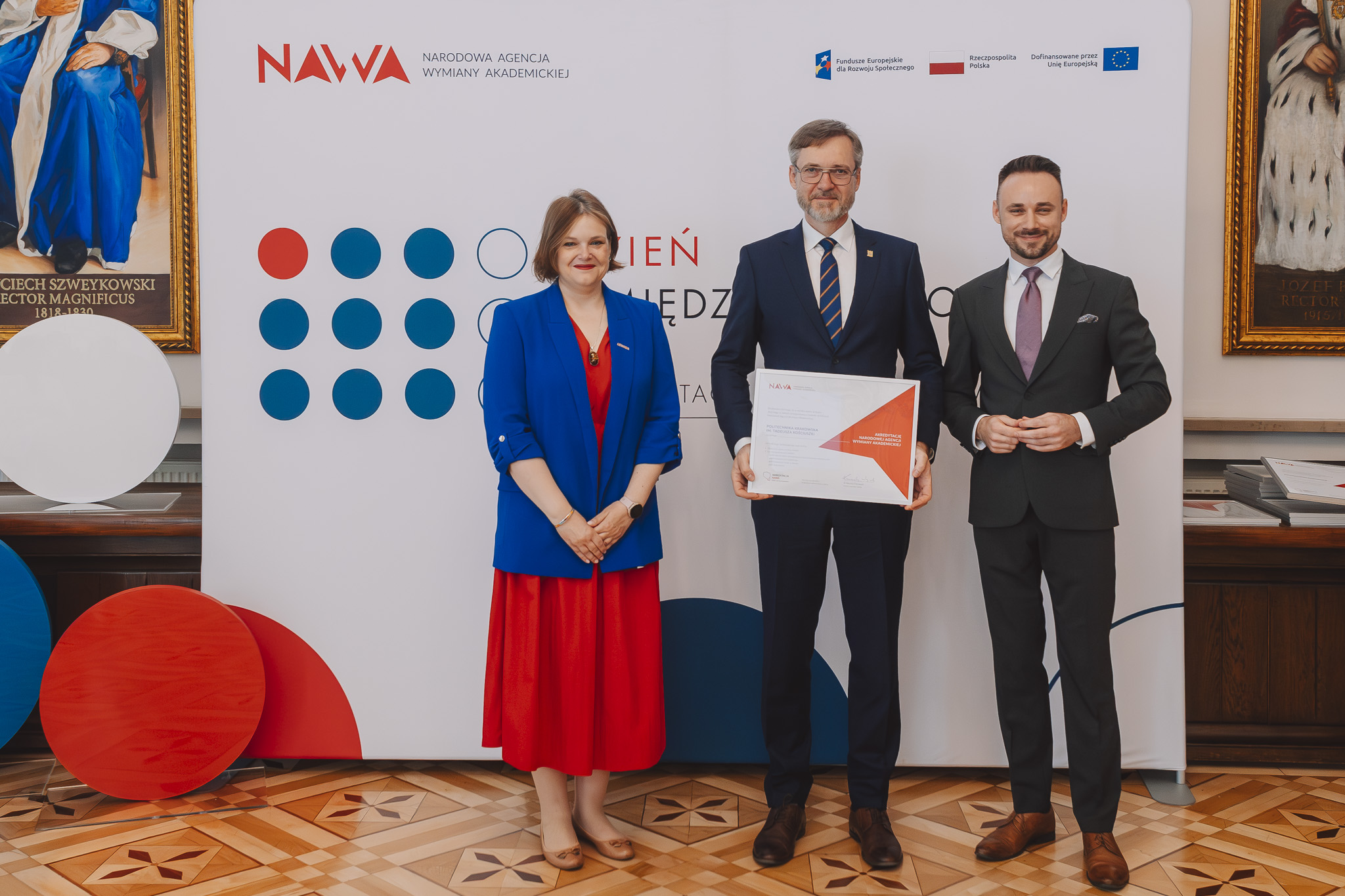
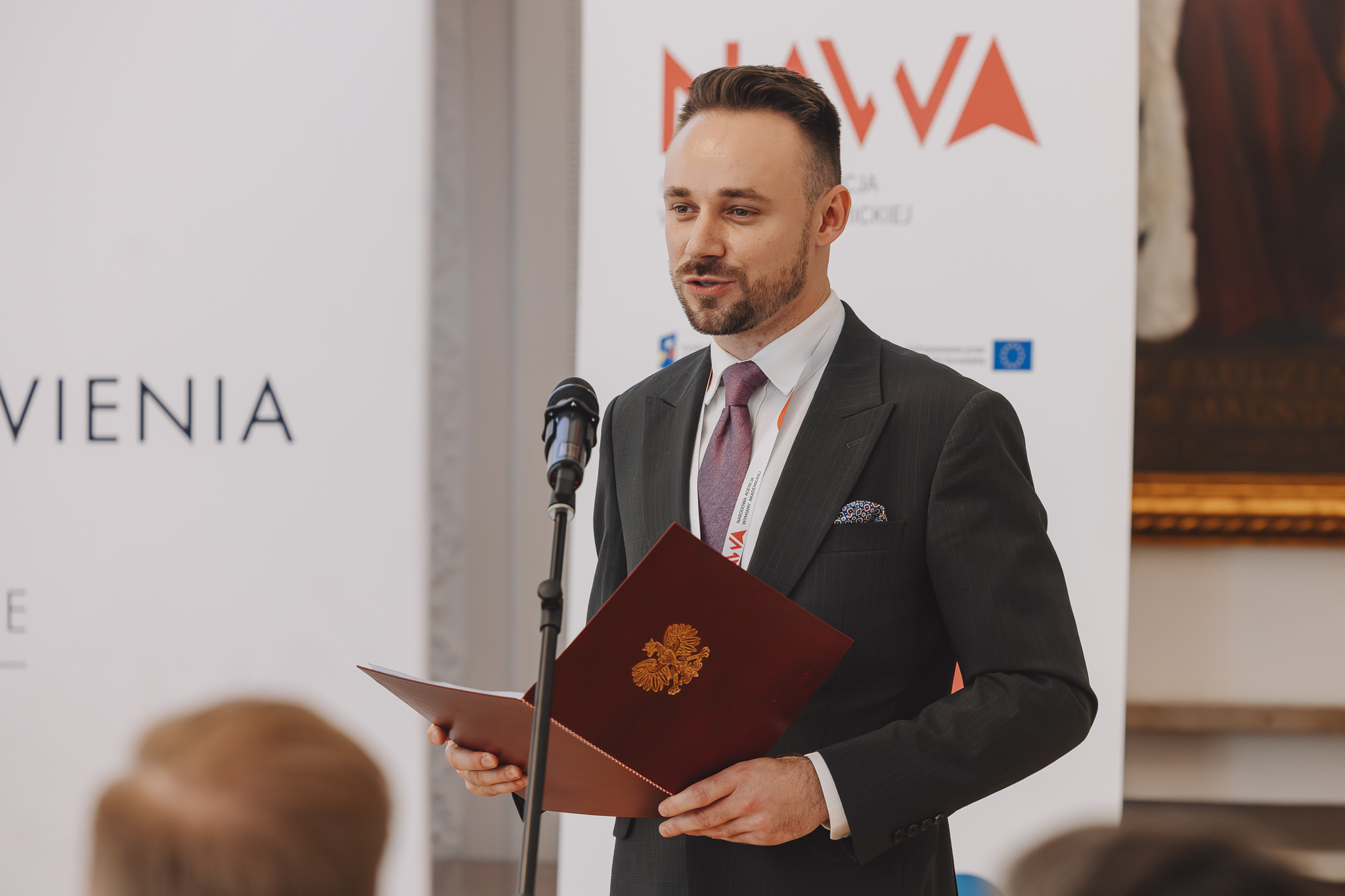
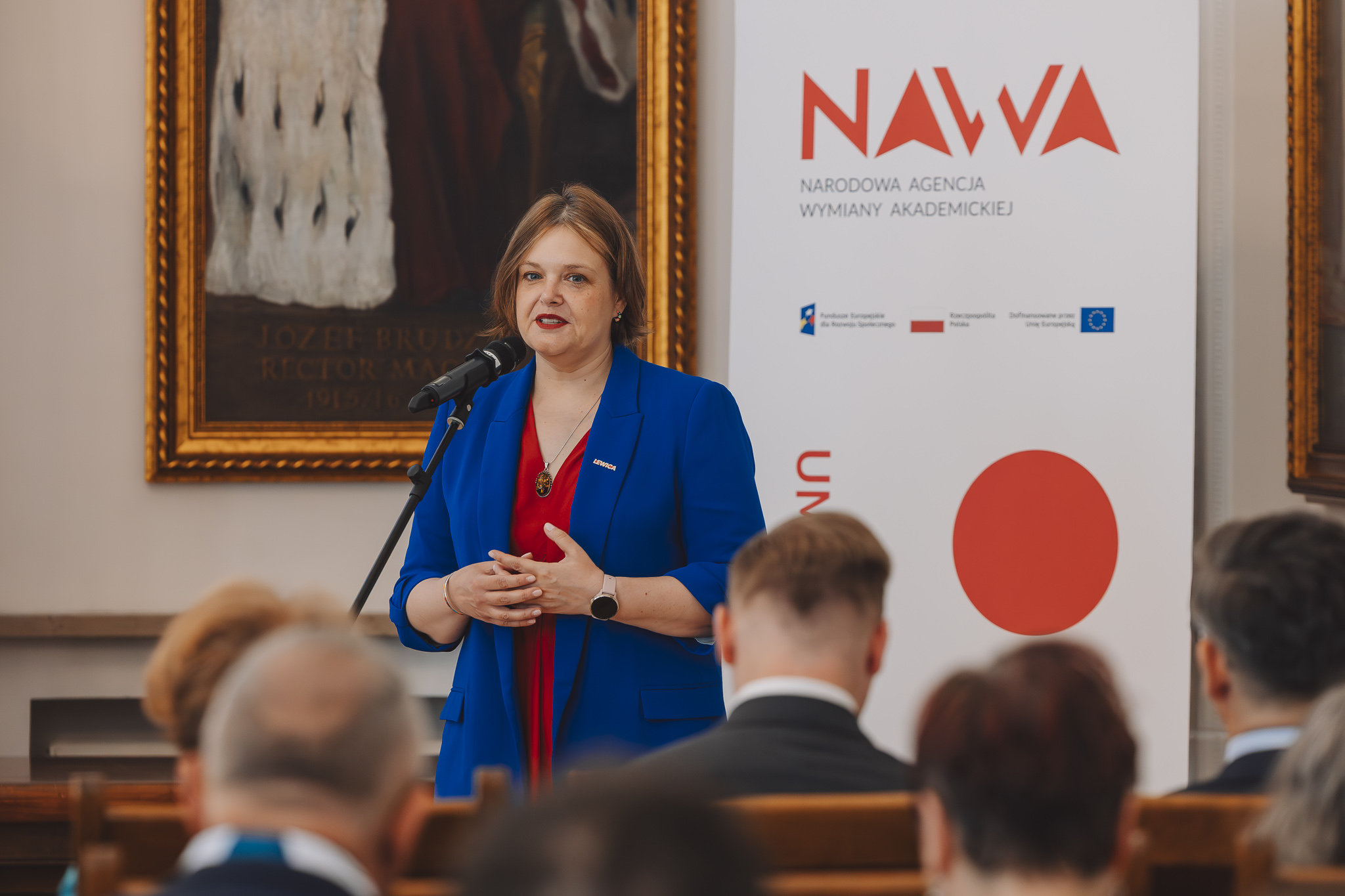
The event was opened by Dr Damian Syjczak, Deputy Director of the Polish National Agency for Academic Exchange. During the meeting, Dr Karolina Zioło-Pużuk, State Secretary at the Ministry of Science and Higher Education, together with Dr Damian Syjczak, presented NAWA Accreditations for conducting Polish language courses and preparatory courses. Certificates were awarded to higher education institutions that will run courses financed by the Agency in 2026–2029.
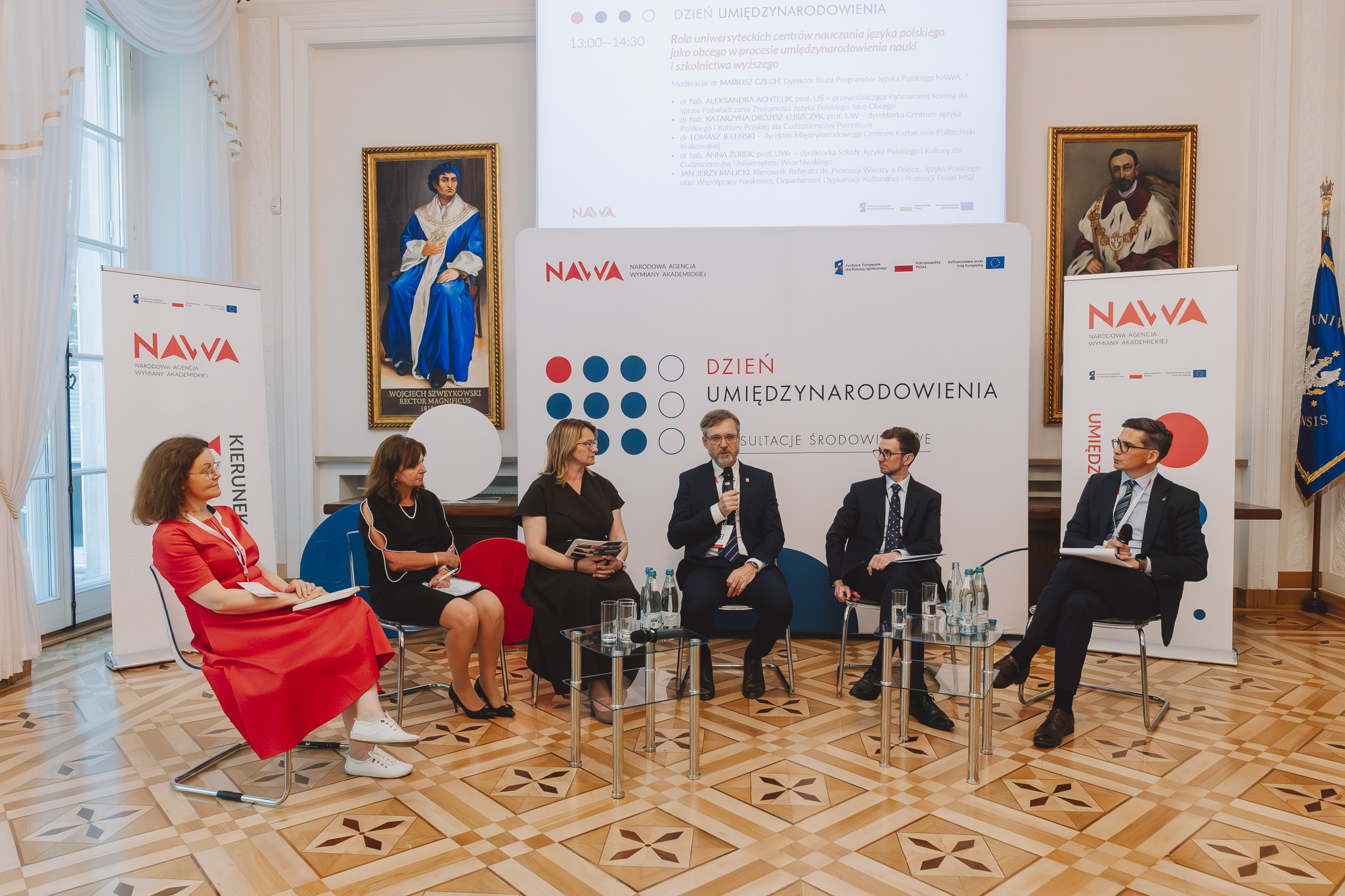
The main topic of the event was the role of language in the process of internationalising science and higher education. Participants discussed the relationship between Polish and English in scientific communication, the promotion of the Polish language abroad, and the importance of university centres teaching Polish as a foreign language.
The discussion highlighted that English remains the primary language of international scientific exchange. It allows research results to reach a broad audience and become part of the global academic debate. At the same time, participants stressed that this should not mean abandoning Polish in science. They spoke about the need to include Polish summaries in texts published in English, so that research findings are also accessible to Polish readers.
Another important topic was the pressure to publish in English, resulting, among other things, from the system for evaluating academic achievements. It was noted that texts intended for domestic journals are sometimes prepared in English mainly because of scoring requirements and the belief that English-language publications carry greater prestige. Participants emphasised that the aim is not to question the importance of English, but to maintain a balance between the presence of Polish science internationally and the development of Polish as a language for describing research, culture and academic debate.
The second part of the meeting focused on the role of university centres teaching Polish as a foreign language. Their importance was discussed not only in language education, but also in the adaptation of international students, building intercultural relations and supporting the internationalisation of universities. These centres serve as places of first contact with Polish culture, the academic environment and everyday life in Poland.
The discussion also included examples of activities carried out outside Poland. People interested in learning Polish often end their language education at secondary school level or within community-based classes and do not have the opportunity to continue learning at university. This shows how important it is to support Polish language teachers, develop academic offers and strengthen the presence of the Polish language abroad.
The event also addressed certification of Polish as a foreign language. Participants pointed out that the certificate should become an increasingly recognisable international brand, valued by learners of Polish and useful in education, work and academic mobility.
Internationalisation Day in Warsaw showed that language is one of the key tools of internationalisation. English enables participation in the global circulation of science, but Polish remains an important language of thought, describing the world and building relationships with people who choose Poland as a place to study, conduct research or develop professionally.
The Internationalisation Days series is implemented as part of the project “Strategy for the Internationalisation of Polish Higher Education and Science”, financed by the European Funds for Social Development programme, Measure 01.05 – Skills in Higher Education.